
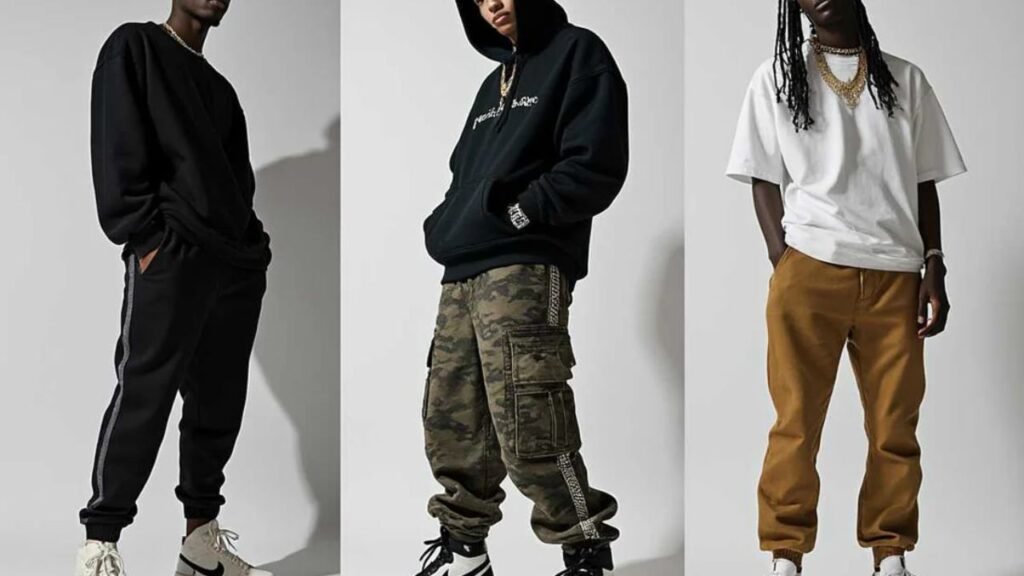
Not long ago, clothing followed clear rules. Workwear was formal, streetwear was niche, and casual outfits were reserved for weekends. Today, those boundaries have largely disappeared. Sneakers show up in offices, hoodies appear in creative meetings, and relaxed silhouettes dominate wardrobes across age groups and professions. Fashion has become more casual almost everywhere, and this shift reflects deeper changes in culture, work, and everyday life.
The Roots of Streetwear Influence
Streetwear began as a subcultural style rooted in skateboarding, hip-hop, and youth movements. It was expressive, functional, and often rebellious, rejecting traditional fashion norms. Over time, its focus on comfort, identity, and self-expression resonated far beyond its original communities.
As global media and social platforms expanded, streetwear aesthetics reached mainstream audiences. Logos, graphic tees, relaxed fits, and sneakers became symbols of authenticity rather than defiance. What started on the streets slowly moved into shopping malls, luxury runways, and eventually everyday wardrobes.
Changing Work Culture and Dress Codes
One of the biggest drivers of casual fashion is the transformation of work culture. Traditional office environments with strict dress codes have given way to flexible, creative, and remote-first workplaces. As companies shifted focus from appearance to productivity, clothing expectations loosened.
Tech startups and creative industries played a key role. Their leaders often dressed casually, signaling that ideas mattered more than formality. Over time, this attitude spread to other sectors. Business casual evolved into something even more relaxed, blending tailored pieces with comfortable staples.
Comfort as a Priority in Modern Life
Comfort is no longer a luxury; it has become an expectation. Longer commutes, hybrid workdays, and fast-paced lifestyles demand clothing that supports movement and long wear. Fabrics that stretch, breathe, and adapt to different settings are now preferred over stiff, restrictive materials.
Consumers began to question why discomfort was ever associated with professionalism. This shift in mindset allowed casual clothing to gain legitimacy in spaces once reserved for formal attire.
The Blurring of Fashion Categories
Fashion categories that were once distinct have merged. Streetwear adopted elements of tailoring, while workwear incorporated relaxed cuts and casual textures. Blazers are worn with sneakers, trousers are designed with elastic waistbands, and knitwear replaces structured shirts.
This blending has created versatile wardrobes where single pieces work across multiple settings. People increasingly seek clothing that transitions seamlessly from work to social life without requiring a complete outfit change.
The Role of Influencers and Media
Digital platforms accelerated the acceptance of casual fashion. Influencers, creators, and public figures regularly showcase relaxed outfits in professional and public settings. Their visibility normalizes casual dress and reframes it as intentional rather than lazy.
Media representation also shifted. Television, films, and online content now portray professionals dressed in approachable, modern ways. These images shape expectations and reinforce the idea that competence does not depend on formal clothing.
Generational Shifts in Style Values
Younger generations have played a major role in redefining fashion norms. Many prioritize individuality, practicality, and sustainability over rigid traditions. Casual clothing aligns with these values by offering flexibility and personal expression.
Rather than dressing for external approval, people increasingly dress for comfort, identity, and context. This approach challenges the idea that formality equals respect or seriousness.
Fashion Brands Adapting to Casual Demand
Brands have responded quickly to these changes. Traditional fashion labels now release casual lines, while streetwear brands refine their designs for broader audiences. The focus is on quality, fit, and versatility rather than strict categorization.
Retailers also emphasize mix-and-match styling, encouraging consumers to combine casual and polished pieces. This strategy reflects how people actually dress in daily life.
What Casual Fashion Really Represents
The move toward casual fashion is not about lowering standards. It represents a shift in how society defines professionalism, success, and self-expression. Clothing has become a tool for comfort, confidence, and authenticity rather than conformity.
Casual fashion acknowledges that people live complex lives where boundaries between work, leisure, and creativity overlap. Dressing comfortably and confidently supports those realities.
Looking Ahead
Fashion is unlikely to return to rigid formality anytime soon. Instead, the future points toward thoughtful casualness, where comfort, quality, and intention matter most. As lifestyles continue to evolve, clothing will keep adapting to reflect how people actually live and work.
The journey from streetwear to workwear shows that fashion is less about rules and more about relevance. Casual style did not replace professionalism; it redefined it.