
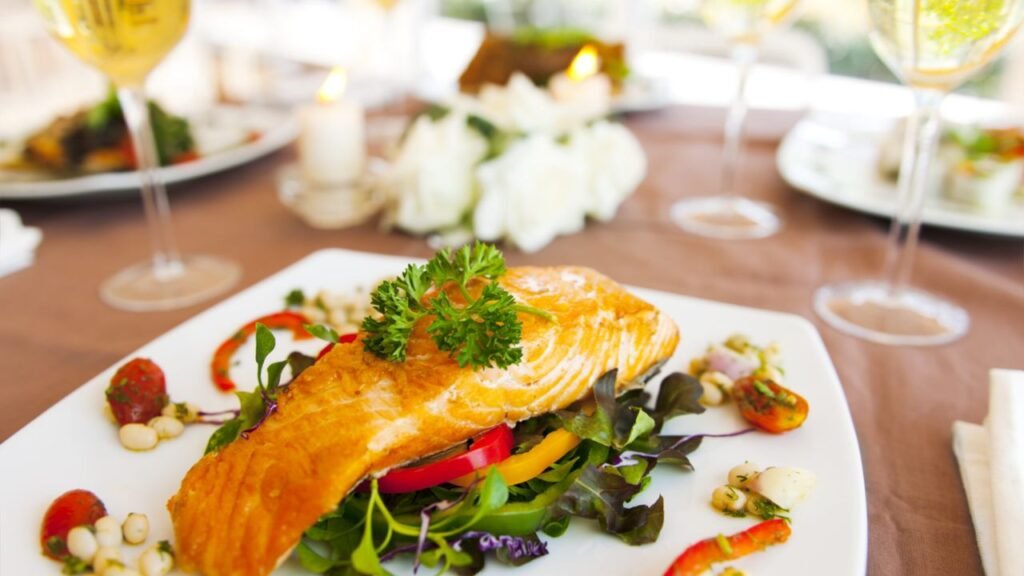
Food is often judged by taste, but long before flavor reaches the tongue, the eyes have already formed an opinion. The way food looks shapes expectations, emotions, and even how satisfying a meal feels. While presentation is sometimes dismissed as superficial, research, psychology, and everyday experience suggest it plays a much bigger role than we like to admit.
From home kitchens to high-end restaurants and social media feeds, food presentation quietly influences how we eat, what we enjoy, and how we remember meals.
The Brain Eats First
Before the first bite, the brain begins processing visual information. Color, arrangement, portion size, and contrast send signals that help the brain predict taste and quality. When a dish looks balanced and intentional, the brain anticipates a better experience.
Studies in food psychology show that people often rate the same dish as tasting better when it is presented attractively. Even minor changes, such as spacing ingredients neatly instead of piling them together, can affect perceived flavor, freshness, and effort.
This is not deception. It is how human perception works. Visual cues prepare the senses and frame expectations, which then influence taste.
Presentation Shapes Flavor Perception
The appearance of food can subtly alter how flavors are interpreted. Bright colors often signal freshness and acidity. Warm tones suggest comfort and richness. Clean lines and symmetry imply precision and care.
Plate color also matters. For example, desserts served on white plates are often perceived as sweeter, while darker plates can make flavors feel heavier or more intense. Texture visibility plays a role as well. A crisp edge, a glossy sauce, or a delicate garnish signals contrast and craftsmanship.
These visual elements guide the eater’s attention and affect how each bite is experienced, even if the recipe itself never changes.
Why Restaurants Invest So Much in Plating
Restaurants understand that presentation is part of value. When customers pay for a meal, they are not just buying ingredients but an experience. Presentation communicates professionalism, creativity, and consistency.
Well-presented food also builds trust. A carefully plated dish suggests attention to detail in preparation, hygiene, and ingredient selection. On the other hand, messy or careless presentation can create doubt, even if the food tastes fine.
In competitive dining spaces, presentation also helps dishes stand out, making them more memorable and shareable.
The Social Media Effect on Food Presentation
Social media has amplified the importance of how food looks. Platforms built around images reward dishes that are visually striking. This has changed how food is cooked, styled, and served, even at home.
People now plate meals not just to eat, but to document. Colors are chosen for contrast, sauces are drizzled with intention, and garnishes are added for visual interest. While this trend is sometimes criticized, it has also encouraged creativity and greater awareness of food aesthetics.
The result is a feedback loop where presentation influences popularity, which then influences cooking habits and expectations.
Home Cooking and Everyday Presentation
Presentation is not only for restaurants or special occasions. Even simple meals benefit from small visual adjustments. Serving food in a clean dish, arranging components with a bit of space, or adding a fresh element like herbs can change how a meal feels.
When food looks cared for, it often feels more satisfying. This can encourage mindful eating, slower pacing, and greater appreciation of ingredients. For families, presentation can also influence children’s willingness to try new foods.
Importantly, good presentation does not require expensive tools or advanced skills. It is more about intention than perfection.
Cultural Meanings Behind Food Appearance
Across cultures, food presentation carries symbolic meaning. In some traditions, symmetry represents balance and respect. In others, abundance and color signal celebration and generosity.
Ceremonial meals, festive platters, and traditional arrangements often reflect values beyond taste. They tell stories about identity, hospitality, and shared experience. Ignoring presentation in these contexts would mean losing part of the message the food is meant to convey.
This shows that presentation is not a modern obsession but a long-standing part of how humans use food to communicate.
When Presentation Goes Too Far
While presentation matters, it can sometimes overshadow substance. Overly styled food may prioritize appearance at the cost of portion, temperature, or practicality. In extreme cases, food is designed more for photographs than for eating.
The key is balance. Presentation should enhance the eating experience, not replace it. The most effective food presentation supports flavor, comfort, and usability rather than distracting from them.
Why We Should Take Presentation Seriously
Food presentation influences expectations, enjoyment, memory, and even emotional connection. It affects how much we value a meal and how satisfied we feel afterward. Dismissing it as unimportant overlooks how deeply visual perception is tied to human experience.
Taking presentation seriously does not mean chasing perfection. It means recognizing that how food looks is part of how food works.
In the end, presentation is not about impressing others. It is about creating a more thoughtful, engaging, and enjoyable relationship with what we eat.