
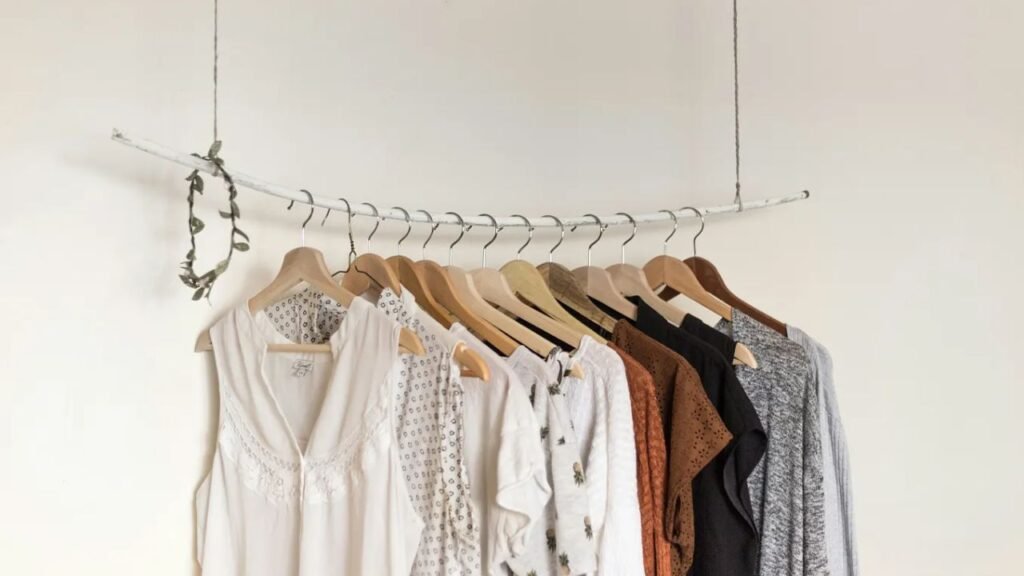
For decades, luxury in fashion was defined by exclusivity, sharp tailoring, and visual status. Clothing was meant to be admired first and felt later. Today, that definition has quietly shifted. Comfort has moved from being a secondary consideration to the very core of modern clothing choices, reshaping what people value, buy, and keep in their wardrobes.
This change is not about lowering standards. Instead, it reflects how lifestyles, work habits, and cultural priorities have evolved, making comfort a new form of quality and confidence.
The Shift in How People Live and Dress
Modern life is less rigid than it once was. Work-from-home setups, flexible schedules, and blended social spaces have blurred the lines between professional, casual, and personal time. Clothing now needs to adapt to multiple roles in a single day.
Outfits are expected to work for video calls, errands, short walks, and social plans without constant changes. This demand has made restrictive fabrics, tight fits, and purely aesthetic pieces feel impractical. Comfort, once associated with leisurewear, is now expected across all categories of clothing.
Comfort as a Marker of Quality
Comfort is no longer seen as basic or cheap. In fact, it has become a signal of thoughtful design and higher-quality construction. Well-made garments prioritize how they feel over hours of wear, not just how they look in a mirror.
Soft natural fabrics, breathable blends, flexible tailoring, and careful seam placement all contribute to a sense of ease. These details require intention, testing, and material investment. As a result, comfort often aligns with durability and longevity, two qualities increasingly associated with modern luxury.
The Role of Fabric Innovation
Advances in textile technology have played a major role in redefining comfort. Fabrics today are lighter, stretchier, and more adaptable than those of previous decades. Moisture-wicking materials, temperature-regulating weaves, and wrinkle-resistant fibers allow clothing to move with the body rather than restrict it.
At the same time, there has been renewed appreciation for traditional materials like cotton, linen, wool, and silk when they are responsibly sourced and well-processed. Comfort is not only about softness but also about breathability, weight, and how a garment ages with use.
Changing Attitudes Toward Status and Style
Modern consumers are less interested in obvious displays of wealth and more focused on personal well-being. Loud logos and rigid silhouettes are being replaced by understated designs that prioritize ease and versatility.
Wearing comfortable clothing has become a quiet expression of confidence. It signals that the wearer values function, self-awareness, and long-term satisfaction over short-lived trends. This shift has made minimalism, relaxed tailoring, and neutral palettes central to modern style.
The Influence of Wellness Culture
The global focus on mental and physical well-being has deeply influenced fashion choices. Clothing is now viewed as part of a broader lifestyle that includes health, balance, and mindfulness.
Tight or uncomfortable garments can contribute to stress and distraction, while well-fitted, comfortable clothing supports focus and movement. This connection has made comfort a practical extension of self-care rather than a sign of informality.
Comfort and Sustainability Go Hand in Hand
Comfort-driven fashion often aligns with more sustainable consumption habits. When clothing feels good and fits well, people are more likely to wear it repeatedly and keep it longer.
This reduces impulse buying and the constant cycle of replacing uncomfortable or impractical pieces. As a result, comfort supports a slower, more intentional approach to fashion that values longevity over volume.
Redefining Luxury for Everyday Life
Luxury today is less about special occasions and more about everyday experience. A garment that feels good during long hours, adapts to changing environments, and remains reliable over time holds greater value than one worn rarely for appearance alone.
This does not mean fashion has become boring or purely functional. Instead, designers are finding new ways to combine aesthetics with ease, creating clothing that looks refined without sacrificing comfort.
The Future of Comfort-First Fashion
As lifestyles continue to evolve, comfort will remain central to clothing design. Future fashion is likely to focus even more on adaptability, inclusivity, and sensory experience.
Comfort is no longer an afterthought or a compromise. It has become a defining feature of modern luxury, reflecting a broader cultural shift toward balance, authenticity, and thoughtful living.
In today’s world, what feels good often matters just as much as what looks good.