
Sustainable fashion has become one of the most talked-about ideas in the clothing industry. Brands promise eco-friendly fabrics, ethical factories, and planet-first values, while shoppers are encouraged to “buy better” for the environment. But with so many labels, claims, and buzzwords, it can be hard to tell what genuinely helps and what is mostly marketing.
This guide breaks sustainable fashion down in simple terms, focusing on what actually matters and where consumers should stay cautious.
What Sustainable Fashion Really Means
At its core, sustainable fashion is about reducing harm across the entire life of a garment. That includes how raw materials are sourced, how clothes are produced, how long they are used, and what happens to them after disposal.
True sustainability looks at environmental impact, worker conditions, and long-term use. It is not limited to fabric choice alone, nor does it mean every item must be expensive or niche. It is about improving practices step by step rather than claiming perfection.
What Actually Matters in Sustainable Fashion
Material Choices That Reduce Impact
Some materials genuinely have a lower environmental footprint than others. Organic cotton reduces pesticide use. Linen and hemp require less water. Recycled fibers help cut down on waste and resource extraction.
However, no fabric is impact-free. Even recycled materials require energy, and natural fibers still use land and water. What matters most is transparency about sourcing and production rather than presenting any fabric as a miracle solution.
Durability Over Trends
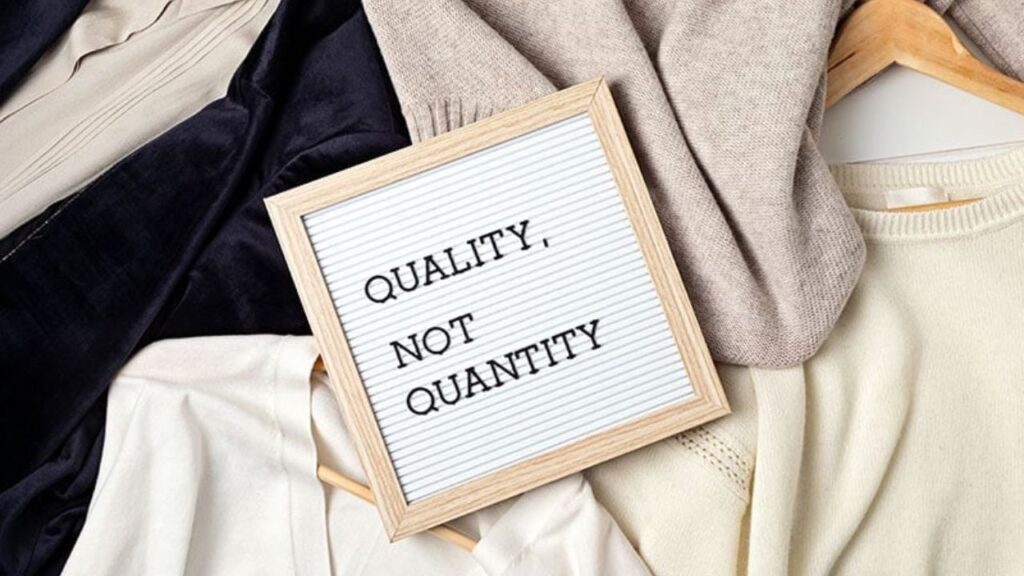
One of the biggest environmental problems in fashion is overproduction and short garment lifespans. Clothes designed to last several years have far less impact than items worn only a few times.
Strong stitching, timeless design, repairability, and quality materials matter more than seasonal trends. A well-made jacket worn for ten years is often more sustainable than several “eco” pieces replaced every season.
Ethical Production and Labor Practices
Sustainability includes people, not just the planet. Fair wages, safe working conditions, and reasonable hours are essential parts of responsible fashion.
Brands that openly share where their factories are, how workers are treated, and what standards they follow tend to be more credible. Silence or vague statements often signal a lack of accountability.
Reduced Waste Across the Supply Chain
Cutting waste during production, minimizing packaging, and offering recycling or resale options all contribute to sustainability. Some brands design patterns to reduce fabric scraps or produce in smaller batches to avoid excess inventory.
Waste reduction is less visible than fabric labels, but it has a meaningful impact on the industry’s footprint.
What Is Often Just Marketing
Vague Buzzwords Without Proof
Terms like “eco-friendly,” “green,” or “conscious” are not regulated in many regions. They can be used freely without clear standards or verification.
If a brand does not explain what these terms mean in practice, they are often serving marketing more than substance.
One “Green” Collection From a Fast-Fashion Brand
Many large brands promote small sustainable lines while continuing high-volume production elsewhere. While these collections may be a step forward, they do not automatically make the entire company sustainable.
Evaluating overall business practices matters more than focusing on a single labeled collection.
Overemphasis on Packaging Instead of Clothing
Recyclable tags and paper bags are positive but relatively minor compared to the environmental cost of manufacturing garments themselves. Sustainable packaging should support sustainable products, not distract from unsustainable production.
Carbon Neutral Claims Without Context
Some companies advertise carbon neutrality by purchasing offsets rather than reducing emissions directly. Offsets can play a role, but they are not a substitute for lowering pollution at the source.
Without transparency, carbon-neutral labels can be misleading.
How Consumers Can Make Smarter Choices
Buying fewer clothes is often the most sustainable option. Choosing items that fit well, match existing wardrobes, and work across seasons reduces unnecessary consumption.
Reading care labels and maintaining clothes properly also extends their lifespan. Washing less frequently, using cold water, and repairing small damages all help lower environmental impact.
Secondhand shopping, clothing swaps, and resale platforms keep garments in circulation longer. These options often have a much lower footprint than buying new items, even sustainable ones.
Why Sustainable Fashion Is a Long-Term Shift
The fashion industry is complex, global, and deeply tied to economic systems. Sustainable fashion is not about instant perfection but continuous improvement. Brands, consumers, and policymakers all play a role.
Progress happens when transparency increases, demand for quality grows, and companies are rewarded for responsible practices rather than speed and volume.
The Simple Takeaway
Sustainable fashion is not about chasing labels or buying into every trend. It is about understanding impact, valuing durability, and asking better questions. When shoppers focus on quality, longevity, and transparency, they support real change rather than marketing promises.
Making informed choices, even small ones, helps push the industry toward a more responsible future.