
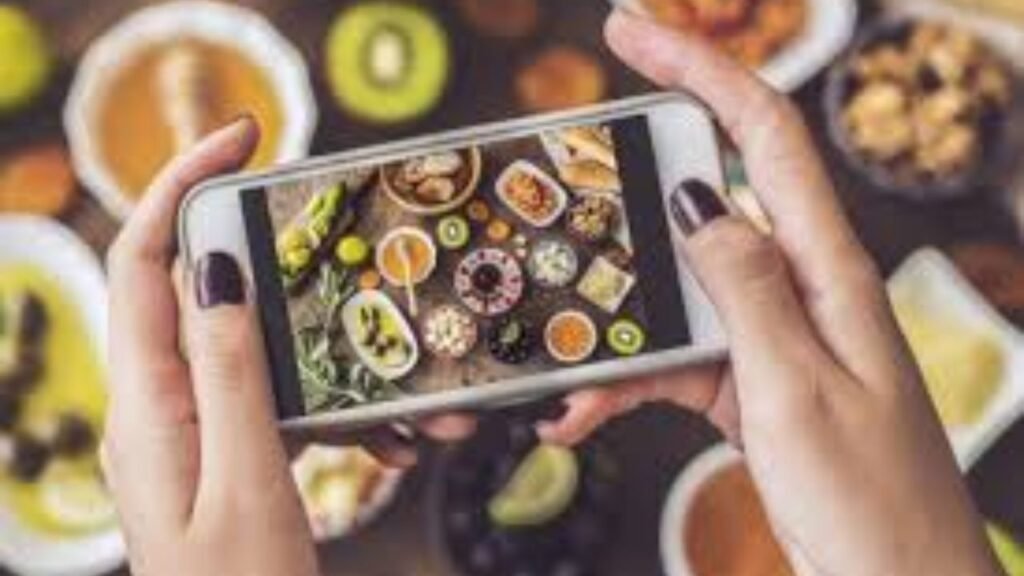
Food has always traveled across borders, but never as fast or as visibly as it does today. Social media platforms have transformed local dishes, cooking styles, and eating habits into global trends almost overnight. A meal prepared in one kitchen can inspire millions of people across continents within hours, reshaping how cultures discover, adapt, and reinterpret food.
Understanding how food trends spread through social media helps explain not just what people eat, but how digital culture influences taste, identity, and everyday habits.
The Role of Visual Platforms in Food Discovery
Platforms built around images and short videos play a major role in spreading food trends. Apps focused on visual storytelling allow dishes to become instantly recognizable, even without language. A short clip of a stretchy dessert or a sizzling pan can spark curiosity worldwide.
Food content works well visually because it is universal. People do not need deep cultural context to appreciate textures, colors, and reactions. This makes food one of the most shareable forms of content online. When a dish looks appealing, users save it, share it, and attempt to recreate it, pushing the trend beyond its place of origin.
Influencers as Cultural Bridges
Food influencers act as translators between cultures. Many creators specialize in showcasing local foods to global audiences, explaining ingredients, techniques, and traditions in accessible ways. Others adapt international dishes for home kitchens, making them feel achievable rather than distant.
When influencers test or modify a dish, they often add personal touches that align with their audience’s preferences. This process helps a food trend feel familiar while still retaining its original inspiration. Over time, repeated exposure across multiple creators reinforces the trend and gives it a sense of legitimacy.
Algorithms and the Acceleration of Trends
Social media algorithms play a quiet but powerful role in spreading food trends. When a post performs well, platforms push similar content to more users. This creates feedback loops where certain dishes appear repeatedly across feeds, giving the impression that “everyone is trying this.”
Once a food trend enters this cycle, it can spread rapidly across countries without coordinated effort. Users in different regions see the same content, attempt the recipe, and post their own versions, further fueling the algorithm. This system allows trends to jump borders faster than traditional media ever could.
Adaptation Through Local Ingredients and Tastes
As food trends travel, they rarely stay the same. Home cooks and restaurants adapt recipes based on local ingredients, dietary preferences, and cultural norms. This adaptation is a key reason trends spread successfully.
A dish that requires hard-to-find ingredients may fail to gain traction, while one that can be easily modified thrives. Social media encourages this flexibility, as users openly share substitutions and variations. Over time, a single food trend can evolve into multiple regional versions, each reflecting local taste while remaining connected to the original idea.
Restaurants and Brands Amplifying Online Trends
Restaurants closely monitor social media to identify emerging food trends. When a dish gains online attention, eateries often introduce their own versions to meet customer demand. This physical availability further legitimizes the trend and introduces it to people who may not actively follow food content online.
Brands also participate by creating products inspired by viral foods, from sauces to packaged snacks. While this commercialization can speed up a trend’s spread, it can also shorten its lifespan, as overexposure sometimes leads to fatigue.
Cultural Exchange and the Question of Authenticity
The global spread of food trends raises questions about authenticity and representation. Social media often simplifies complex culinary traditions into quick, repeatable formats. While this makes food more accessible, it can also strip away historical and cultural context.
At the same time, social media allows creators from underrepresented cultures to share their food stories directly, without relying on traditional gatekeepers. When done thoughtfully, this creates opportunities for cultural appreciation and learning rather than imitation alone.
The Emotional Side of Shared Food Experiences
Food trends spread not just because they look good, but because they create shared experiences. Cooking a trending dish allows people to feel connected to a larger global moment. Comment sections often fill with reactions, tips, and personal stories, turning food into a social conversation rather than a solo activity.
This sense of participation is especially powerful during times when people seek comfort, novelty, or connection. Social media turns eating and cooking into a collective experience, even when individuals are physically apart.
Looking Ahead at the Future of Food Trends
As platforms evolve, food trends will continue to spread faster and in more immersive ways. Live cooking streams, short-form tutorials, and interactive features are likely to deepen audience engagement. At the same time, audiences are becoming more selective, valuing transparency, sustainability, and cultural respect.
The most lasting food trends may be those that balance visual appeal with meaningful stories, practical accessibility, and thoughtful adaptation.
Conclusion
Social media has reshaped how food travels across countries, turning local dishes into global conversations. Through visuals, influencers, algorithms, and community participation, food trends now move at digital speed. While this transformation brings challenges around authenticity and overexposure, it also creates opportunities for cultural exchange and shared discovery. In a connected world, food is no longer just something we eat, but something we experience together online.