
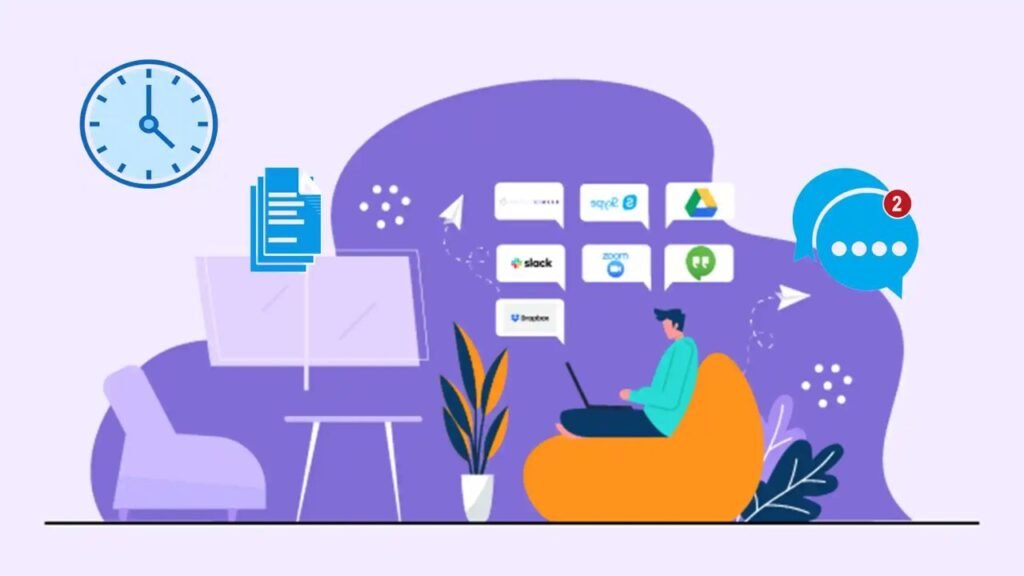
Remote work has shifted from a temporary solution to a long-term reality for millions of people. At the center of this shift are digital tools—video conferencing platforms, messaging apps, project management dashboards, and cloud-based collaboration software. These tools have made it possible to work from anywhere, but they have also changed how productivity and burnout coexist in modern work culture.
While remote work tools promise flexibility and efficiency, they can just as easily blur boundaries, increase pressure, and contribute to exhaustion. Understanding this dual impact is essential for individuals and organizations trying to build sustainable ways of working.
The Productivity Boost of Remote Work Tools
Remote work tools have redefined how work gets done. For many professionals, they have removed long commutes, reduced unnecessary meetings, and enabled deeper focus.
Faster Collaboration and Access
Cloud-based tools allow teams to collaborate in real time, regardless of location. Documents can be edited simultaneously, feedback can be shared instantly, and information is no longer locked inside office systems. This accessibility often leads to faster decision-making and fewer delays.
Flexible Workflows
Project management platforms help teams break work into smaller, trackable tasks. Instead of measuring productivity by hours spent at a desk, work is measured by progress and outcomes. This shift can empower people to work during their most productive hours, improving efficiency and job satisfaction.
Fewer Physical Interruptions
For some workers, remote setups reduce office distractions like frequent drop-ins or noisy environments. With the right tools, deep work becomes easier, allowing people to complete tasks more quickly and with better quality.
The Hidden Costs Behind Always-On Tools
Despite these gains, the same tools that enhance productivity can quietly contribute to burnout.
The Rise of Constant Availability
Messaging apps and collaboration platforms create an expectation of instant responses. Notifications follow people throughout the day, and sometimes into the night. Over time, this constant connectivity can make it difficult to mentally disconnect from work.
Blurred Work-Life Boundaries
Remote work tools often remove the physical separation between work and personal life. When the same device is used for both, work can easily spill into evenings and weekends. This lack of clear boundaries increases stress and reduces recovery time.
Meeting Overload and Digital Fatigue
Video calls replace in-person meetings, but they often require more mental effort. Prolonged screen time, limited non-verbal cues, and back-to-back virtual meetings contribute to fatigue. Even productive days can feel more draining than traditional office work.
Productivity Metrics Can Increase Pressure
Remote work tools generate detailed data—response times, task completion rates, activity logs. While this data can improve planning, it can also increase pressure.
When productivity is constantly tracked, some workers feel compelled to appear busy rather than work effectively. This can lead to longer hours, reduced breaks, and a sense that work never truly ends.
Burnout in a Remote-First World
Burnout is not simply about working too much; it is about sustained stress without adequate recovery. Remote work tools can unintentionally accelerate this cycle.
Emotional and Social Isolation
Digital tools enable communication, but they cannot fully replace informal human interaction. Over time, reduced social connection can affect motivation and emotional well-being, especially for people who thrive on collaborative energy.
The Illusion of Flexibility
While remote work offers flexibility, it often shifts responsibility onto individuals to manage boundaries. Without clear expectations from organizations, flexibility can turn into extended availability, increasing burnout risk.
Finding Balance Between Efficiency and Well-Being
The impact of remote work tools depends largely on how they are used. Small changes in habits and policies can make a significant difference.
Setting Clear Communication Norms
Teams benefit from defined expectations around response times and availability. Not every message needs an immediate reply, and recognizing this helps reduce unnecessary stress.
Designing Tool-Driven Boundaries
Features like scheduled messages, focus modes, and shared calendars can protect personal time. When used intentionally, tools can support balance rather than undermine it.
Measuring Outcomes, Not Presence
Shifting focus from constant visibility to meaningful outcomes reduces pressure. Trust-based productivity models encourage healthier work patterns and more sustainable performance.
The Future of Remote Work Tools
Remote work tools are still evolving. Many platforms are now introducing features aimed at well-being, such as workload insights, meeting limits, and focus analytics. These changes reflect growing awareness that productivity and mental health are closely connected.
The challenge ahead is not choosing between efficiency and well-being, but designing systems that support both. When remote work tools are aligned with human needs—not just output—they can enable productive work without sacrificing long-term health.
Conclusion
Remote work tools have transformed how we work, offering unprecedented flexibility and efficiency. At the same time, they have introduced new pressures that can lead to burnout if left unmanaged. Productivity and exhaustion now exist side by side, shaped by the same digital systems.
By using these tools with intention, setting clear boundaries, and prioritizing sustainable work habits, individuals and organizations can harness the benefits of remote work while reducing its hidden costs. In a remote-first world, balance is no longer optional—it is essential.