
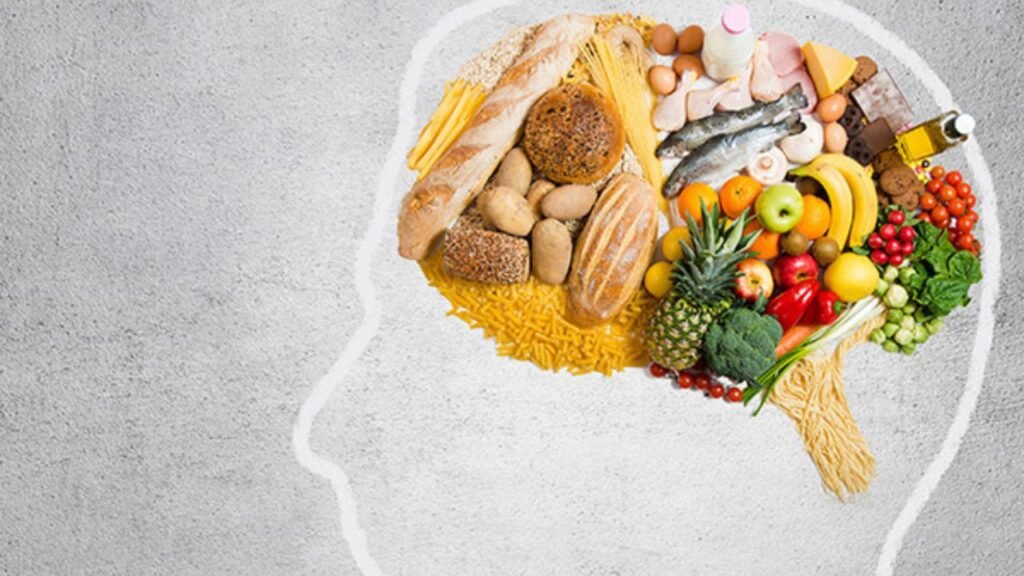
Comfort food is more than a craving. For many people, it is tied to memory, emotion, and a sense of safety that goes beyond taste. A warm bowl of soup, freshly baked bread, or a familiar home-style dish can instantly shift mood, offering calm during stressful moments. This connection between comfort food and mental well-being is deeply rooted in psychology, biology, and personal experience.
Understanding why certain foods feel emotionally soothing helps explain their powerful role in everyday mental health.
What Makes Food “Comforting”
Comfort food is not defined by a specific cuisine or ingredient. Instead, it is usually associated with familiarity and emotional history. These are the foods people grew up eating, shared during family gatherings, or turned to during difficult times.
Familiar flavors reduce uncertainty. When life feels unpredictable, eating something known and trusted provides a sense of control. This predictability alone can lower stress levels and create emotional relief.
Texture and temperature also matter. Warm, soft foods are often associated with care and nurturing, which can subconsciously trigger feelings of safety and support.
The Psychology Behind Emotional Eating
Food and emotion are closely linked in the brain. When we eat something we enjoy, the brain releases dopamine, a neurotransmitter associated with pleasure and reward. This chemical response can temporarily improve mood and reduce feelings of anxiety.
Comfort foods often carry positive emotional associations. The brain does not separate taste from memory, so eating a dish tied to a comforting moment can reactivate those emotions. This explains why people often crave specific foods when feeling homesick, stressed, or emotionally overwhelmed.
Importantly, comfort eating is not always about hunger. It is frequently about emotional regulation, using food to cope with feelings that are difficult to process.
Nostalgia and Memory in Comfort Food
One of the strongest elements of comfort food is nostalgia. Smell and taste are closely linked to memory, more so than other senses. A single bite can bring back vivid recollections of childhood kitchens, family routines, or cultural traditions.
These memories can provide emotional grounding. Reconnecting with the past, especially positive experiences, helps reinforce identity and belonging. For people experiencing loneliness or emotional strain, this sense of connection can be deeply reassuring.
Cultural comfort foods also play a role in preserving identity, especially for those living away from their place of origin. Preparing or eating traditional dishes becomes a way to stay emotionally connected to home.
Comfort Food and Stress Relief
During periods of stress, the body produces cortisol, a hormone linked to tension and anxiety. Certain eating experiences can counteract this response. Sitting down to a warm meal encourages slower eating, deeper breathing, and moments of pause, all of which help calm the nervous system.
The act of cooking itself can also support mental well-being. Following familiar recipes, repetitive chopping, and focusing on simple tasks can create a meditative effect. This process-oriented engagement helps reduce mental clutter and brings attention to the present moment.
Sharing comfort food with others adds another layer of emotional benefit. Social connection is a key factor in mental health, and shared meals strengthen bonds and reduce feelings of isolation.
When Comfort Food Helps and When It Hurts
Comfort food can be supportive, but balance is essential. Using food occasionally to soothe emotions is a natural human behavior. Problems arise when food becomes the only coping mechanism for stress, sadness, or anxiety.
Over-reliance on highly processed comfort foods may lead to physical discomfort, guilt, or long-term health concerns, which can negatively impact mental well-being. The emotional relief may be temporary, followed by increased stress or regret.
A healthier approach is mindful comfort eating. This means recognizing emotional triggers, choosing foods intentionally, and paying attention to how the body and mind feel afterward.
Redefining Comfort Food in a Healthier Way
Comfort does not have to come from indulgence alone. Many people are redefining comfort food to include nourishing meals that still feel familiar and satisfying. Homemade versions of traditional dishes, balanced with fresh ingredients, can offer both emotional and physical benefits.
Comfort can also come from the experience rather than the food itself. Setting aside time to eat without distractions, using familiar cookware, or recreating a favorite family ritual can enhance the emotional impact without relying on excess.
By broadening the definition of comfort food, it becomes a supportive tool rather than a source of conflict.
The Role of Food in Emotional Awareness
Paying attention to comfort food cravings can provide insight into emotional needs. Wanting warmth, familiarity, or sweetness often reflects deeper feelings such as exhaustion, loneliness, or the need for reassurance.
Instead of judging these cravings, acknowledging them can lead to healthier emotional responses. Sometimes the solution is food, and sometimes it is rest, connection, or a break from pressure.
Food becomes most beneficial when it is part of a wider self-care approach rather than a substitute for emotional support.
Conclusion
The emotional connection between comfort food and mental well-being is rooted in memory, biology, and human connection. Comfort foods offer familiarity, emotional grounding, and temporary relief during stressful times. When approached mindfully, they can play a positive role in emotional health.
Understanding this relationship allows people to enjoy comfort food without guilt, while also recognizing when deeper emotional needs deserve attention. In this balance, food becomes not just nourishment, but a meaningful part of emotional care and everyday well-being.